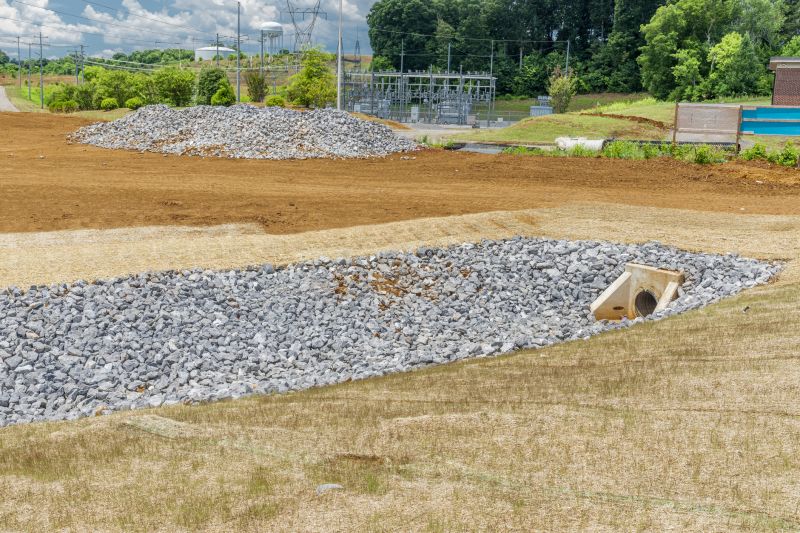
Ditch Repair in Salt Lake City, UT
Ditch repair services address issues with underground drainage systems that have become damaged, collapsed, or clogged, impacting the proper flow of water away from a property. These projects typically involve fixing or replacing sections of underground pipes, restoring proper slope and alignment, and ensuring that water is directed away from foundations, basements, or landscaping. Homeowners often request ditch repair when experiencing frequent flooding, water pooling, or signs of pipe deterioration such as cracks or leaks, especially after heavy storms or shifting soil.
Before requesting ditch repair, property owners should consider the extent of the damage, the age of existing drainage systems, and any visible signs of trouble like soil erosion or unusual water accumulation. Understanding the location and scope of the problem can help determine whether repairs are localized or require more extensive work. Proper assessment ensures that the drainage system functions effectively, preventing future water-related issues and protecting the property's foundation and landscape.
Many property owners in Salt Lake City, UT look into Ditch Repair for repairs, replacements, upgrades, and appearance-related improvements.
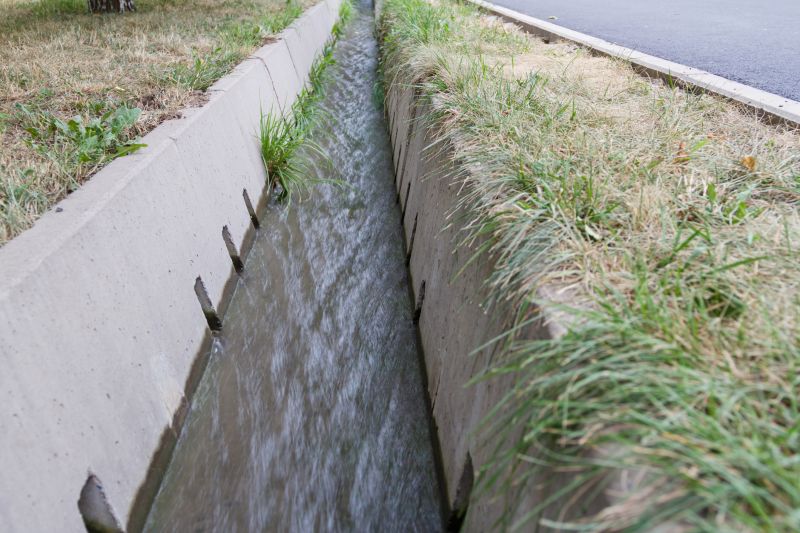
Common Ditch Repairs
Repairs often involve fixing cracks, leaks, or collapses to restore proper drainage.
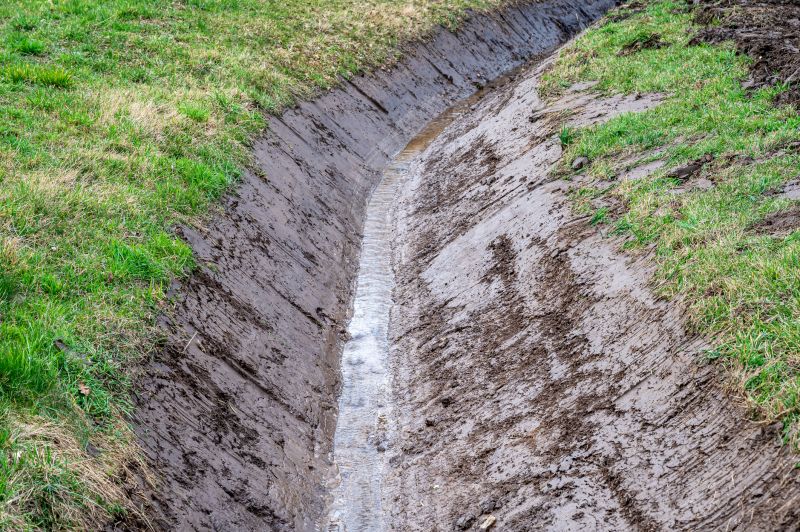
Signs Of Ditch Damage
Indicators include uneven ground, pooling water, or erosion along the ditch line.
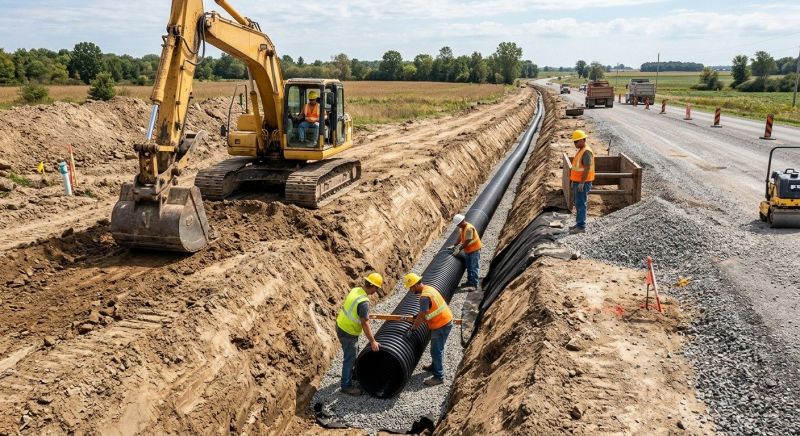
Maintenance And Prevention
Regular inspection helps prevent major issues and ensures effective water flow in salt lake city properties.
Ditch Repair in Salt Lake City, UT
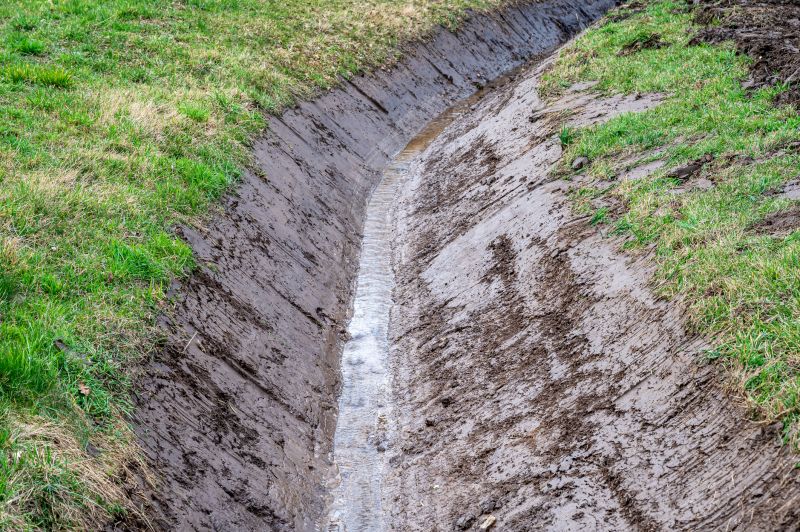
Ditch repair services address issues with underground drainage systems that have become damaged, collapsed, or clogged, impacting the proper flow of water away from a property. These projects typically involve fixing or replacing sections of underground pipes, restoring proper slope and alignment, and ensuring that water is directed away from foundations, basements, or landscaping. Homeowners often request ditch repair when experiencing frequent flooding, water pooling, or signs of pipe deterioration such as cracks or leaks, especially after heavy storms or shifting soil.
Before requesting ditch repair, property owners should consider the extent of the damage, the age of existing drainage systems, and any visible signs of trouble like soil erosion or unusual water accumulation. Understanding the location and scope of the problem can help determine whether repairs are localized or require more extensive work. Proper assessment ensures that the drainage system functions effectively, preventing future water-related issues and protecting the property's foundation and landscape.
Many property owners in Salt Lake City, UT look into Ditch Repair for repairs, replacements, upgrades, and appearance-related improvements.
Common Ditch Repair Jobs
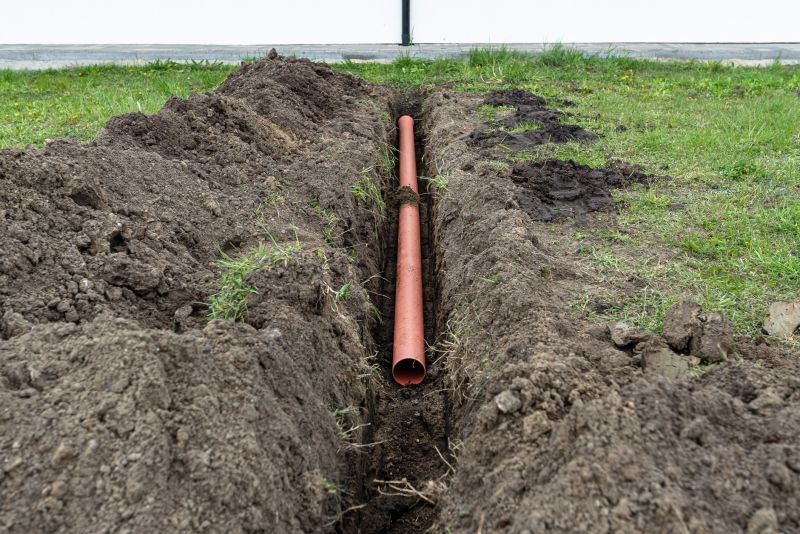
Drain pipe repairs - fixing leaks, cracks, or clogs in underground drain lines.
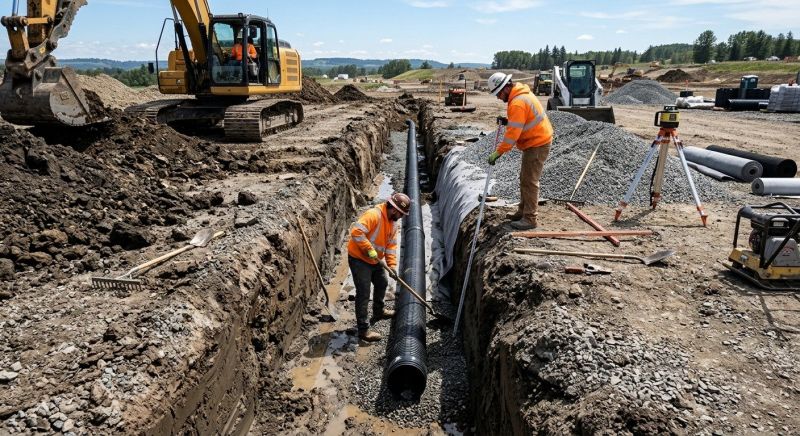
Pipe replacement - installing new pipes to replace damaged or deteriorated sections.
Trenchless repair - restoring underground pipes with minimal digging and disruption.
Clog removal - clearing blockages to restore proper drainage flow.
Leak detection - locating hidden pipe leaks to prevent water damage.
Pipe relining - reinforcing existing pipes to extend their lifespan without full replacement.
Ditch Repair Questions
What causes ditch damage? Ditch damage can result from soil erosion, heavy rainfall, or root intrusion affecting the integrity of the ditch lining.
When is repair necessary? Repairs are needed when there are signs of erosion, blockages, or structural deterioration that impact drainage efficiency.
What types of ditch repair are available? Common options include lining replacement, erosion control installation, and blockage removal to restore proper flow.
How can property owners prevent future issues? Regular inspections and maintaining proper grading help reduce the risk of future ditch problems.
Request Ditch Repair in Salt Lake City, UT
Use the quote form on this page to share the basics of your project and request more information for the type of work you need.